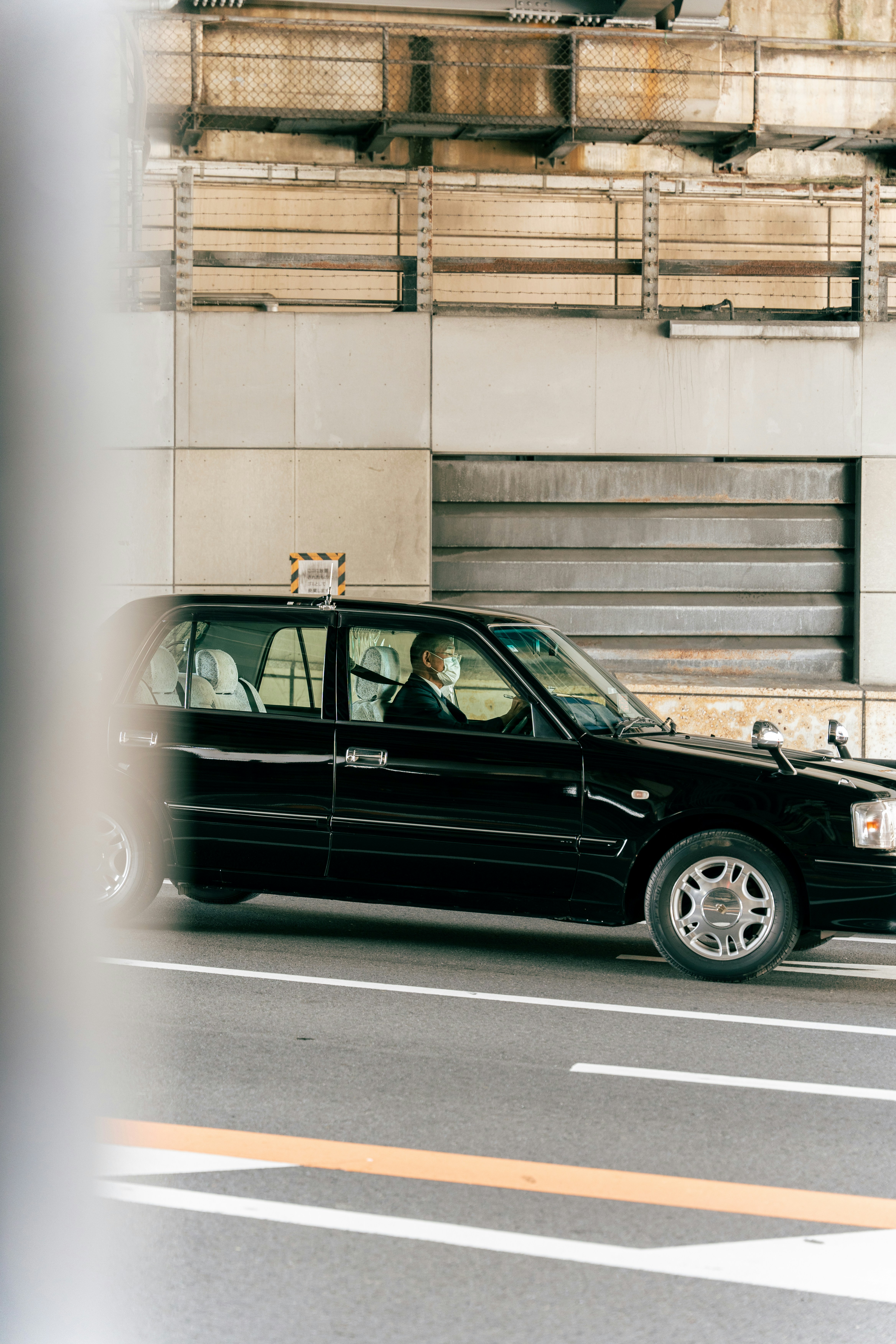
9 Personen, 9 Koffer und Japans winzige Bahnhöfe
Die Szene am Bahnhof Shinjuku, 08:00 Uhr
Stellen Sie sich vor: Ihre sechsköpfige Familie steht am Fuß einer Treppe im Bahnhof Shinjuku. Sie haben vier große Koffer, zwei Handgepäckstücke, einen Kinderwagen und einen Rucksack voller Snacks. Die Rolltreppe ist auf der anderen Seite des Bahnsteigs. Keinen Aufzug in Sicht. Ein Strom japanischer Pendler fließt höflich, aber spürbar genervt um Sie herum.
Ihr Flug nach Osaka geht in drei Stunden ab Haneda. Sie müssen von Ihrem Airbnb in Shinjuku zum Flughafen. Der Zug würde ¥500 pro Person kosten. Aber sechs Personen und all das Gepäck in einen überfüllten Zug zur Rush Hour? Das ist eine ganz andere Rechnung.
Das ist der Moment, in dem den meisten westlichen Familien bei einem Japan-Besuch klar wird: Japans Bahnsystem ist für Pendler gebaut, nicht für Reisende mit Gepäck.
Warum Gepäck in Japan alles ändert
Japanische Bahnhöfe waren nicht für Koffer gedacht
Japans Bahnhöfe — selbst die großen — wurden in einer Zeit gebaut, als niemand mit 71-cm-Rollkoffern reiste. Die Realität:
- Treppen überall. Viele Bahnhöfe haben wenige Aufzüge, und die vorhandenen sind oft klein (ein Rollstuhl ODER zwei Koffer, nicht beides). Rolltreppen sind schmal — Ihr Koffer blockiert die ganze Breite.
- Enge Fahrkartensperren. Die Standarddurchgänge bieten keinen Platz für einen großen Koffer neben Ihnen. Sie müssen die breite barrierefreie Schranke suchen, an der oft eine Schlange steht.
- Kein Gepäckplatz im Zug. Japanische Nahverkehrszüge haben keine ausreichend großen Gepäckablagen, keine Gepäckbereiche und schmale Gänge. Ihr Koffer steht vor Ihnen, blockiert den Türbereich, während Pendler sichtlich unbequem vorbeidrängen.
- Spalt zwischen Bahnsteig und Zug. Der Abstand kann 10 bis 15 cm betragen — genug, um eine Koffereolle einzuklemmen.
Das „Nehmen wir halt ein Taxi"-Problem
Wenn der Zugplan scheitert, denken die meisten Touristen: „Wir nehmen ein Taxi." Aber bei Gruppen über 3–4 Personen entsteht eine Kaskade neuer Probleme:
- Japanische Taxis sind klein. Das Toyota JPN Taxi fasst 4 Passagiere mit wenig Gepäck. Zwei große Koffer füllen den Kofferraum. Eine Gruppe von 6 braucht zwei Taxis, eine Gruppe von 9 drei.
- Die Gruppe trennen. Nun müssen Sie dasselbe Ziel 2–3 verschiedenen Fahrern auf Japanisch erklären und hoffen, dass alle am selben Ort ankommen. Was, wenn ein Taxi eine andere Route nimmt? Was, wenn jemandes Handy leer geht und er das Hotel nicht findet?
- Die Kosten vervielfachen sich. Ein Taxi von Narita nach Tokyo kostet ¥20,000–30,000. Drei Taxis? ¥60,000–90,000 für Ihre Gruppe. Und durch das Taxameter wissen Sie die Summe erst bei der Ankunft.
- Sprachbarriere. Die meisten Taxifahrer sprechen wenig Englisch. Ein Google-Maps-Pin zu zeigen funktioniert meistens, aber „wir müssen noch kurz am Convenience Store halten" oder „der Eingang ist auf der Rückseite des Gebäudes" zu erklären, ist eine andere Sache.
Das Airbnb-Abholproblem
Hotels haben Taxistände und Concierges, die für Sie Taxis rufen. Aber wenn Sie in einem Airbnb, einer Ferienwohnung oder einer Machiya in den Seitenstraßen Kyotos wohnen:
- Keine Taxistände in der Nähe. Wohnviertel in Japan haben keine wartenden Taxis.
- Ein Taxi rufen erfordert Japanisch. Taxizentralen sind hauptsächlich japanischsprachige Telefonleitungen.
- Fahrdienst-Apps sind begrenzt. Uber und ähnliche Dienste haben in Japan sehr begrenzte Abdeckung, besonders außerhalb des Zentrums von Tokyo und Osaka.
- Enge Straßen. Viele Airbnbs liegen in Straßen, die zu schmal für Autos sind. Sie müssten Ihr Gepäck bis zur nächsten Hauptstraße schleppen und warten.
Die Rechnung, die Sie umdenken lässt
Machen wir den echten Vergleich für eine 6-köpfige Familie, die vom Flughafen Narita zu ihrem Hotel in Shinjuku fährt:
| Option | Gesamtkosten | Pro Person | Zeit | Gepäckstress |
|---|---|---|---|---|
| Narita Express (Zug) | ¥19,200 (6 × ¥3,200) | ¥3,200 | 90+ Min (+ Umstiege) | Treppen, Gedränge, kein Platz |
| Flughafenbus | ¥18,600 (6 × ¥3,100) | ¥3,100 | 85–120 Min | Unterflur-Stauraum, aber fester Fahrplan |
| 2 Taxis (3+3) | ¥40,000–60,000 | ¥6,600–10,000 | 70–90 Min | Gruppe getrennt, Taxameter unsicher |
| 1 HiAce-Van | ¥30,000 | ¥5,000 | 70–90 Min | Fahrer lädt alles ein |
Der HiAce ist günstiger als 2 Taxis, ¥1,800 mehr pro Person als der Zug — und alle bleiben zusammen, das Gepäck ist geregelt, und Sie fahren direkt vor die Tür. Keine Treppen, kein Gedränge, keine Trennung, keine Sprachprobleme.
Für eine Gruppe von 9 (üblich bei Mehrfamilienreisen oder Freundesgruppen):
| Option | Gesamtkosten | Pro Person |
|---|---|---|
| Narita Express | ¥28,800 | ¥3,200 |
| 3 Taxis | ¥60,000–90,000 | ¥6,600–10,000 |
| 1 HiAce-Van | ¥30,000 | ¥3,333 |
Ein 9-Sitzer-Van zum selben Preis wie der Zug — mit Tür-zu-Tür-Service und null Gepäckstress.
So sieht ein vorab gebuchter Van wirklich aus
So funktioniert es mit RydAgent:
- Vor der Reise: in 30 Sekunden buchen — Screenshot Ihres Fluges senden oder Daten eintippen. Sie erhalten sofort einen Festpreis. Kein Konto nötig.
- Am Flughafen: Ihr Fahrer kontaktiert Sie vor der Landung. Sie gehen aus dem Ankunftsbereich, und der Van wartet. Der Fahrer lädt alles Gepäck ein, während Sie sich setzen.
- Die Fahrt: Ein Toyota HiAce Grand Cabin fasst bequem bis zu 9 Passagiere, mit Platz für 9 große Koffer. Klimaanlage, verstellbare Sitze und genug Platz, damit niemand auf jemandes Schoß sitzt.
- Ankunft: Der Fahrer bringt Sie zur genauen Adresse — Hotel, Airbnb, Ryokan, überall. Kein Herumrätseln über die letzte Meile. Kein Gepäckschleppen vom Bahnhof.
Der Airbnb-/Ferienwohnungs-Vorteil
Genau hier glänzt ein vorab gebuchter Van. Ihr Fahrer hat die genaue Adresse vor der Reise. Bei schmalen Straßen stimmt er mit Ihnen den nächstgelegenen zugänglichen Abhol-/Absetzpunkt ab. Kein Anruf bei japanischsprachigen Zentralen, kein Hoffen auf ein Taxi in einer ruhigen Wohngasse.
Flugverfolgung
Internationale Flüge verspäten sich ständig. Ihr Fahrer verfolgt Ihren Flug — Verspätungen über 20 Minuten lösen die automatische Anpassung der Abholzeit aus. Die kostenlose Wartezeit beträgt eine Stunde ab der tatsächlichen Landung. Kein Anrufen, kein Sorgen.
Beliebte Routen: HiAce-Van-Preise
| Route | HiAce-Preis (bis 9 Passagiere) | Pro Person (6 Pax) | Pro Person (9 Pax) |
|---|---|---|---|
| Narita → Tokyo | ¥30,000 | ¥5,000 | ¥3,333 |
| Haneda → Tokyo | ¥20,000 | ¥3,333 | ¥2,222 |
| Kansai → Osaka | ¥24,000 | ¥4,000 | ¥2,667 |
| Kansai → Kyoto | ¥34,000 | ¥5,667 | ¥3,778 |
| Kansai → Kobe | ¥28,000 | ¥4,667 | ¥3,111 |
| Chitose → Sapporo | ¥16,000 | ¥2,667 | ¥1,778 |
Alle Preise sind fest. Mautgebühren inklusive. Kein Nachtzuschlag. Keine Aufpreise pro Person.
Wann ist ein Van sinnvoll?
- Gruppen von 5 bis 9 Personen — ein Fahrzeug statt Aufteilung auf Taxis
- Familien mit Kindern + Kinderwagen + Gepäck — keine Treppen, kein Gedränge
- Jeder mit 4+ großen Koffern — ein Alphard fasst 4, ein HiAce fasst 8
- Aufenthalt in Airbnb oder Ferienwohnung — kein Taxistand, kein Concierge, nur eine vorab gebuchte Abholung
- Transfers früh morgens oder spät nachts — wenn Züge nicht fahren oder Taxis knapp sind
- Flughafentransfers mit engen Verbindungen — kein Risiko, einen Busfahrplan oder den falschen Bahnsteig zu verpassen
Hören Sie auf, gegen Japans Infrastruktur zu kämpfen — umgehen Sie sie
Japans Züge sind beeindruckend. Pünktlich, sauber, überall hin. Aber sie wurden für tägliche Pendler mit Aktentasche entworfen, nicht für internationale Reisende, die eine Woche Gepäck für den Familienurlaub transportieren.
Der kluge Schritt ist nicht, Ihre Gruppe in ein System zu zwingen, das nicht für Sie gebaut wurde. Es ist, einen Dienst zu nutzen, der es wurde. Ein Van, ein Preis, alle zusammen, Tür zu Tür.
Buchen Sie mit RydAgent in 30 Sekunden: senden Sie einen Screenshot Ihrer Reisepläne oder sagen Sie uns einfach, wohin Sie fahren.
Häufig gestellte Fragen
Wie reist man mit großem Gepäck in japanischen Zügen?
Mit großem Aufwand. Die meisten Bahnhöfe haben schmale Bahnsteige, steile Treppen (nicht überall Aufzüge) und die Züge haben keine Gepäckbereiche. In der Rush Hour blockieren große Koffer andere Fahrgäste und Sie werden unangenehm angeschaut. Für Gruppen mit mehreren Gepäckstücken sind Züge unpraktisch.
Passt eine große Gruppe in ein japanisches Taxi?
Ein japanisches Standardtaxi (Toyota JPN Taxi) fasst 3–4 Passagiere mit wenig Gepäck. Eine Gruppe von 6–9 Personen braucht 2–3 Taxis, was bedeutet, sich zu trennen, mehrere Fahrten zu bezahlen (¥20,000–30,000+ vom Flughafen) und zu hoffen, dass alle am selben Ort ankommen. Die meisten Taxifahrer sprechen wenig Englisch.
Was ist der beste Weg für eine große Gruppe vom Flughafen zum Hotel in Japan?
Ein vorab gebuchter Van (z.B. Toyota HiAce) fasst bis zu 9 Passagiere mit 9 Koffern. Ein Fahrzeug, ein Preis (ab ¥13,000 Chitose nach Sapporo, ¥30,000 Narita nach Tokyo), Tür-zu-Tür zur genauen Adresse. Der Fahrer kennt das Ziel im Voraus — keine Sprachbarriere.
Wie viel kostet ein privater Van in Japan?
Ein HiAce (9-Sitzer-Van) kostet je nach Strecke ¥13,000–30,000 für Flughafentransfers. Auf 6–9 Passagiere aufgeteilt sind das ¥1,400–5,000 pro Person — oft günstiger als der Zug für Gruppen und mit Gepäck unvergleichlich bequemer.
Kann ich ein Taxi vor einem Airbnb in Japan rufen?
Das ist ein häufiges Problem. Anders als Hotels haben Airbnbs und Ferienwohnungen selten Taxistände in der Nähe. Ein Taxi auf Japanisch zu rufen ist schwierig, und Fahrdienst-Apps haben außerhalb großer Städte begrenzte Abdeckung. Ein vorab gebuchter privater Transfer holt Sie an jeder Adresse ab — teilen Sie einfach den Standort bei der Buchung.
Verwandte Artikel
Book Your Transfer in 30 Seconds
Instant pricing. No waiting, no calls.