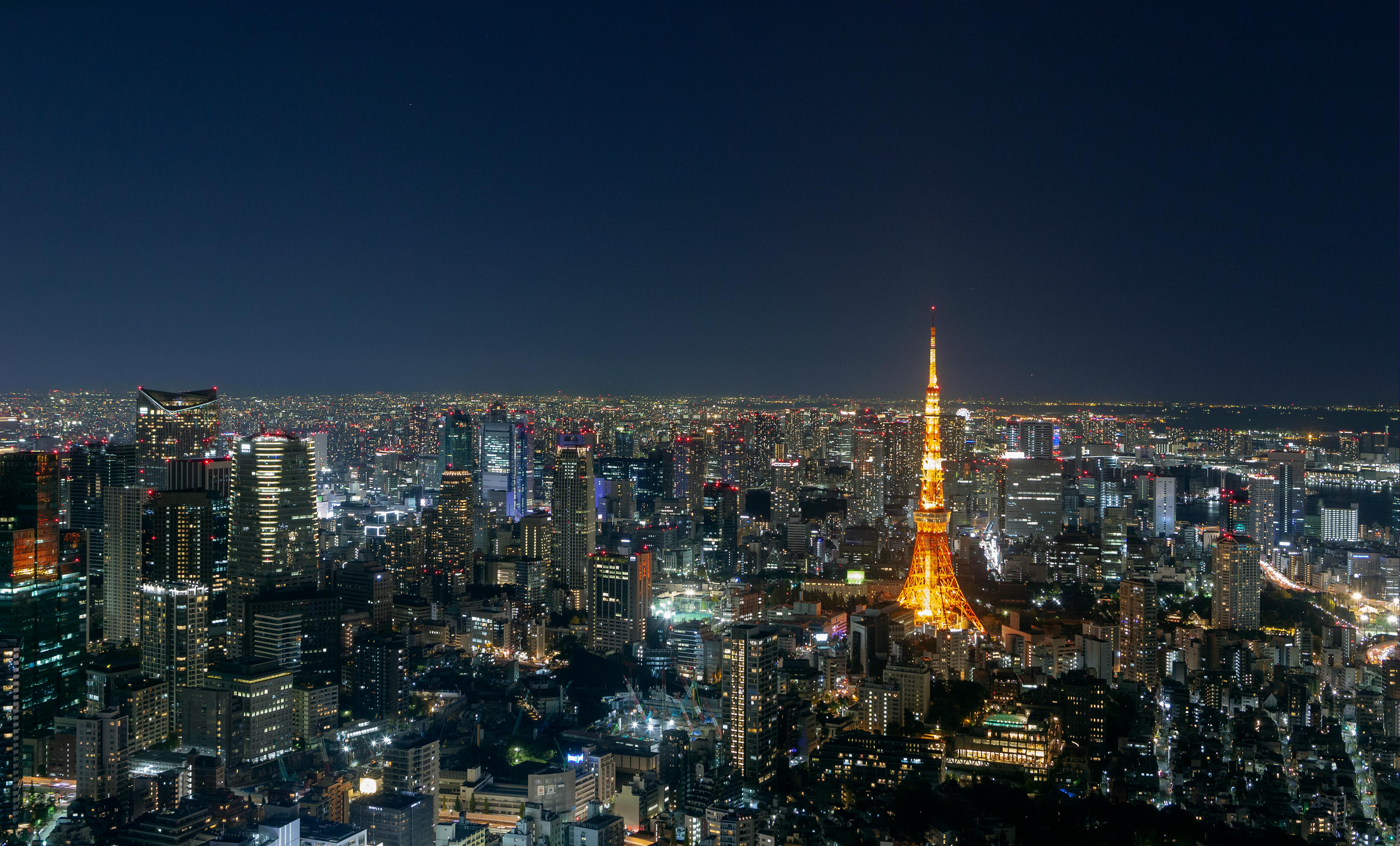
Neujahrsreise in Japan: Flughafentransfers während der Feiertage
Neujahr in Japan: Was Sie erwartet
Das japanische Neujahr (28. Dezember bis 3. Januar) ist die wichtigste Feiertagszeit des Landes. Geschäfte schließen, der öffentliche Nahverkehr wechselt auf reduzierten Fahrplan und rund 30 Millionen Japaner reisen in ihre Heimatorte zu Familientreffen. Für internationale Besucher ist der Kontrast auffällig: Die Straßen von Shibuya werden still, Konbini (Convenience Stores) werden zur einzigen verlässlichen Essensmöglichkeit, und Bahnhöfe füllen sich mit Einheimischen, die Koffer und Geschenktaschen schleppen.
Es ist auch eine wirklich magische Zeit für einen Besuch. Mitternachtsglocken-Zeremonien in buddhistischen Tempeln, der erste Schreinbesuch des Jahres (Hatsumode), aufwendige Neujahrsgerichte (Osechi-Ryori) und beeindruckende Winterbeleuchtungen in jeder großen Stadt. Die kulturelle Erfahrung ist einzigartig im japanischen Kalender.
Der Haken ist die Logistik. Sich während Neujahr zu bewegen erfordert eine Planung, die die meisten Besucher unterschätzen. Hier ist, was Sie wissen müssen — und wie es funktioniert.
Gleicher Preis am 1. Januar wie an jedem anderen Tag. Buchen Sie in 30 Sekunden.
Preis jetzt ansehen
Transport während Neujahr
Züge
JR- und Privatbahnen wechseln etwa vom 30. Dezember bis 3. Januar auf Feiertagsfahrplan (休日ダイヤ). Auf Regional- und Lokalstrecken bedeutet das 30-50 % weniger Züge. Die Umstellung überrascht viele Besucher — ein Bahnhof mit sonst einem Zug alle 8 Minuten kann während der Feiertage nur alle 15-20 Minuten bedient werden.
Flughafen-Expresszüge wie der N'EX (Narita Express, ¥3,140/Person) und der Keisei Skyliner verkehren weiterhin, sind aber merklich voller. Sitzplatzreservierungen für den N'EX können ausverkauft sein, und ein Skyliner-Ticket ohne Reservierung bedeutet 41 Minuten stehen mit Gepäck.
Der Shinkansen ist ein ganz eigenes Problem. Japanische Inlandsreisende buchen Sitzplätze im Hochgeschwindigkeitszug Wochen im Voraus für die Heimreise (Kisei-Rush). Einen reservierten Platz zwischen 27. Dezember und 4. Januar auf beliebten Strecken wie Tokyo-Osaka oder Tokyo-Sendai zu bekommen, ist extrem schwierig.
Taxis
Taxis werden während der Feiertagszeit knapp. Viele Fahrer nehmen Urlaub, und die noch arbeitenden sind sehr gefragt. Besonders am 31. Dezember und 1. Januar sind 30-60 Minuten Wartezeit in Großstädten üblich. An Flughäfen kann die Taxi-Schlange in den Spitzenankunftszeiten über eine Stunde betragen.
Busse
Überlandbusse und Limousine-Airport-Busse fahren ebenfalls nach reduziertem Fahrplan. Einige Strecken sind während der Kernfeiertage (31. Dezember bis 2. Januar) vollständig eingestellt. Wenn Ihr Plan B der Limousine-Bus war, prüfen Sie den Fahrplan sorgfältig, bevor Sie sich darauf verlassen.
Private Transfers
RydAgent fährt während des gesamten Neujahrszeitraums normal. Kein Feiertagszuschlag, keine Fahrplanänderungen, keine reduzierte Verfügbarkeit. Ihr Fahrer holt Sie zur vereinbarten Zeit ab, genauso wie an jedem anderen Tag des Jahres. Das ist einer der Hauptvorteile vorab gebuchter Transfers in der Hochsaison — Preis und Verfügbarkeit sind bei der Buchung fixiert.
Die echten Herausforderungen während Neujahr
Jenseits der reduzierten Zugfrequenz gibt es praktische Hürden, die Besucher überraschen:
- Ankünfte am Flughafen ballen sich: Viele internationale Flüge landen im selben 2-3-Stunden-Fenster. Kombiniert mit reduziertem öffentlichen Verkehr entstehen Engpässe an Taxiständen und Bahnsteigen.
- Bahnhofsnavigation wird schwieriger: Narita, Haneda und KIX haben gute Beschilderung — aber bei überfüllten Bahnsteigen mit Einheimischen wird es mit zwei Koffern deutlich schwerer, den richtigen Zug zu finden, besonders ohne Japanischkenntnisse.
- Letzte Züge fahren früher: Feiertagsfahrpläne ziehen die letzten Züge oft vor. Wenn Ihr Flug am späten 31. Dezember oder 1. Januar landet, kann der letzte Flughafen-Express bereits weg sein.
- Die Lage der Unterkunft zählt: Zentrale Hotels sind leichter zu erreichen. Wenn Ihre Unterkunft in einem Vorort oder in einer kleineren Stadt liegt, kann der reduzierte Lokalzug-Fahrplan 30-60 Minuten hinzufügen.
- Gepäckaufbewahrung schließt: Münzschließfächer in Bahnhöfen füllen sich schnell. Einige Gepäckdienste (wie Kuroneko Yamato) stellen ihren Betrieb während der Feiertage ein.
Ein vorab gebuchter privater Transfer vermeidet all diese Probleme. Ihr Fahrer erwartet Sie am Flughafen, unabhängig von Feiertagsfahrplänen, bringt Sie direkt zu Ihrer genauen Adresse und kümmert sich um das Gepäck.
Beliebte Neujahrsaktivitäten und Transfers
- Hatsumode (初詣): Der erste Schreinbesuch des Jahres ist Japans größte Neujahrstradition. Große Schreine wie Meiji Jingu (Tokyo), Fushimi Inari (Kyoto) und Hokkaido Jingu (Sapporo) sehen in den ersten drei Tagen Millionen von Besuchern. Der öffentliche Verkehr dorthin ist überlastet. Ein Chauffeur ermöglicht den Besuch in Randzeiten — früh morgens oder am späten Nachmittag — und das Umgehen der größten Menschenmassen.
- Heiße Quellen (温泉): Hakone ist ein klassisches Neujahrsziel für Japaner und internationale Reisende. In einem Freiluft-Onsen zu baden, während es schneit, ist die Quintessenz des japanischen Winters. Haneda nach Hakone: Alphard ¥46,000 / HiAce ¥59,000.
- Skigebiete: Niseko, Furano und Hakuba sind in der Hochsaison. Frischer Pulverschnee und weniger überfüllte Pisten (gegenüber Februar) machen Ende Dezember bis Anfang Januar ideal. Chitose nach Niseko: Alphard ¥54,000 (Hinweis: Kein HiAce auf dieser Strecke verfügbar — Gruppen ab 5 Personen sollten zwei Alphards buchen).
- Winterbeleuchtungen: Tokyo, Osaka und Sapporo haben spektakuläre Lichterinstallationen, die bis ins neue Jahr laufen. Ein Chauffeur macht es leicht, mehrere Orte an einem Abend zu besuchen.
- Countdown-Events: die Mitternachtsglocken-Zeremonie (Joya no Kane) in buddhistischen Tempeln, Sonnenaufgangsblicke vom Tokyo Tower oder Tokyo Skytree und die elektrisierende Atmosphäre an der Shibuya-Kreuzung zur Mitternacht sind beliebt. Nach Mitternacht ohne vorgebuchten Transport nach Hause zu kommen, ist die eigentliche Herausforderung.
Flughafentransfer-Optionen während Neujahr
Was an jedem großen Flughafen während der Feiertage funktioniert — und was nicht:
Narita Airport (NRT)
N'EX und Skyliner fahren weiterhin, sind aber voller als üblich. Der letzte N'EX nach Tokyo fährt gegen 21:30 (an Feiertagen früher). Wenn Ihr Flug nach 20:00 landet, schaffen Sie es durch die Einwanderung möglicherweise nicht rechtzeitig. Der Limousine-Bus vom Flughafen ist eine Option, hat abends aber ebenfalls reduzierten Betrieb. Ein vorgebuchter Alphard-Transfer kostet ¥24,000 ins Zentrum von Tokyo, unabhängig von der Ankunftszeit — 24/7 verfügbar, sogar am 1. Januar um 2 Uhr morgens.
Haneda Airport (HND)
Näher am Zentrum, die Zugsituation ist daher weniger kritisch. Die Keikyu Line und die Tokyo Monorail fahren nach Feiertagsfahrplan, verbinden aber weiterhin gut. Die Taxi-Schlange an Haneda in der Spitzenankunftszeit (18:00-21:00) an Feiertagen kann jedoch über 45 Minuten betragen. Ein vorgebuchter Transfer zu ¥16,000 (Alphard) beseitigt die Wartezeit komplett.
Kansai International Airport (KIX)
Der Haruka Express nach Kyoto und JR-Linien nach Osaka fahren weiter, jedoch mit reduzierter Frequenz. Der Nankai Rapi:t nach Namba fährt ebenfalls nach Feiertagsfahrplan. Für Gruppen nach Kyoto kostet der Haruka ¥3,640/Person, fährt aber nicht bis zu Ihrem Hotel — Sie brauchen noch ein Taxi ab Kyoto Station. Direkter Transfer: KIX nach Osaka ¥19,000, KIX nach Kyoto ¥30,000 (Alphard).
New Chitose Airport (CTS)
Der JR Rapid Airport nach Sapporo fährt alle 15-30 Minuten (reduziert von alle 12-15 in Normalzeiten). Kritischer: Wenn Sie zu einem Skigebiet fahren, gibt es praktisch keine Option im öffentlichen Verkehr. Chitose nach Sapporo: Alphard ¥32,000 / HiAce ¥41,000. Chitose nach Niseko: Alphard ¥54,000.
Tipps für Familien und Gruppen
Neujahrsreisen mit Familie stellen besondere Herausforderungen, vor allem im Winter:
- Winter-Gepäck ist voluminöser: dicke Mäntel, Stiefel, Skiausrüstung und Neujahrsgeschenke beanspruchen Platz, den Sommerreisende nicht brauchen. Was im Juli in die Gepäckablage passt, passt im Januar nicht.
- Fahrzeugkapazität: Der Toyota Alphard fasst bequem 4 Passagiere mit 4 großen Koffern. Der Toyota HiAce fasst bis zu 9 Passagiere mit 9 großen Koffern. Für Winterreisen mit sperriger Ausrüstung sollten Sie eine Nummer größer wählen.
- Kindersitze: für je ¥2,000 erhältlich. Das japanische Recht schreibt sie in gewerblichen Fahrzeugen nicht vor, wir empfehlen sie jedoch für Kinder unter 6. Nennen Sie Anzahl und Alter der Kinder bei der Buchung.
- Buchungszeitpunkt: Für Neujahrsreisen (27. Dezember bis 4. Januar) buchen Sie mindestens 1-2 Wochen im Voraus. Beliebte Strecken wie Chitose nach Niseko und Haneda nach Hakone füllen sich zuerst. Standard-Flughafen-Stadt-Strecken wie Narita nach Tokyo haben mehr Kapazität, profitieren aber trotzdem von früher Buchung.
- Späte Ankünfte: Wenn Ihre Familie mit einem Abendflug ankommt, macht der reduzierte Feiertagsfahrplan öffentlichen Verkehr riskant. Ein vorgebuchter Transfer beseitigt den Stress, mit müden Kindern und schwerem Gepäck durch ein fremdes Bahnhofssystem zu navigieren.
Wichtige Preise
| Route | Alphard (bis zu 4 Pax) | HiAce (bis zu 9 Pax) |
|---|---|---|
| Narita → Tokyo | ¥24,000 | ¥30,000 |
| Haneda → Tokyo | ¥16,000 | ¥20,000 |
| Haneda → Hakone | ¥46,000 | ¥59,000 |
| KIX → Osaka | ¥19,000 | ¥24,000 |
| KIX → Kyoto | ¥30,000 | ¥34,000 |
| Chitose → Sapporo | ¥32,000 | ¥41,000 |
| Chitose → Niseko | ¥54,000 | N/A |
| Chauffeurservice (Raum Tokyo) | ¥7,000/h (min. 5h) | ¥8,000/h (min. 5h) |
Alle Preise gelten auch über Neujahr — kein Feiertagszuschlag. Maut- und Autobahngebühren inklusive. Kindersitze für je ¥2,000 verfügbar.
FAQ
Gibt es einen Zuschlag über Neujahr?
Nein. Die Preise von RydAgent sind ganzjährig fest. Der Preis, den Sie bei der Buchung sehen, ist der Preis, den Sie zahlen — am 1. Januar wie am 15. Juli. Keine dynamische Preisgestaltung, keine Feiertagsgebühren.
Sind am 1. Januar Fahrer verfügbar?
Ja. Wir fahren an jedem Tag des Jahres. Fahrer werden wie gewohnt zugewiesen, typischerweise am Vortag der Reise bestätigt.
Wie früh sollte ich für Neujahrsreisen buchen?
Mindestens 1-2 Wochen im Voraus. Strecken zu Skigebieten (Niseko, Hakuba) und Thermalorten (Hakone) füllen sich zuerst. Flughafen-Stadt-Strecken haben mehr Verfügbarkeit, profitieren aber im Zeitraum 27. Dezember bis 4. Januar ebenfalls von früher Buchung.
Kann ich einen Chauffeur für einen Tagesausflug über Neujahr buchen?
Ja. Ganztägige Chauffeurservices beginnen bei ¥7,000/Stunde (Alphard) oder ¥8,000/Stunde (HiAce), mit 5-Stunden-Mindestbuchung. Beliebte Neujahrsprogramme sind Hatsumode-Rundfahrten, Winterbeleuchtungs-Touren und Tagesausflüge zu heißen Quellen von Tokyo nach Hakone.
Was passiert, wenn mein Flug an Silvester Verspätung hat?
RydAgent verfolgt Ihren Flug in Echtzeit. Verspätungen über 20 Minuten lösen eine automatische Anpassung der Abholzeit aus — Sie und der Fahrer werden automatisch benachrichtigt. Die kostenlose Wartezeit beträgt 1 Stunde ab der tatsächlichen Landung. Sie müssen nicht anrufen, schreiben oder sich darum kümmern.
Verwandte Artikel
Book Your Transfer in 30 Seconds
Instant pricing. No waiting, no calls.